What to wear for hiking in autumn
October 12, 2026
The clothes and equipment you need to stay comfortable and safe on the hiking trails this autumn

The clothes and equipment you need to stay comfortable and safe on the hiking trails this autumn
For many, autumn is the most beautiful season to set out on a hike. The reasons are as persuasive as they are cliched: golden forests, the crunch of leaves underfoot, the silence left by the departed crowds of summer, the pleasant temperatures, the mist hanging in the valleys, the list goes on…
This desirable shoulder season is not without its challenges when compared to summer, so knowing what to wear for hiking in autumn becomes increasingly important as the weather takes on more of a wintry tone. Temperatures begin to drop, daylight hours are squeezed, there’s a growing risk of snow and ice on the trails, rainfall is more likely and wind speeds generally increase. In summer, what you wear on the trails is mostly about comfort and shielding yourself from the sun. In autumn, it becomes more about safety.
With this year’s Super El Niño predicted to bring more extreme weather across the globe, it seemed like a timely opportunity to delve into the autumn hiker’s wardrobe and provide some expert advice on what to wear and what to carry. As a qualified Mountain Leader, keeping myself and everyone else safe in the mountains is a key responsibility and that all starts with being properly prepared.
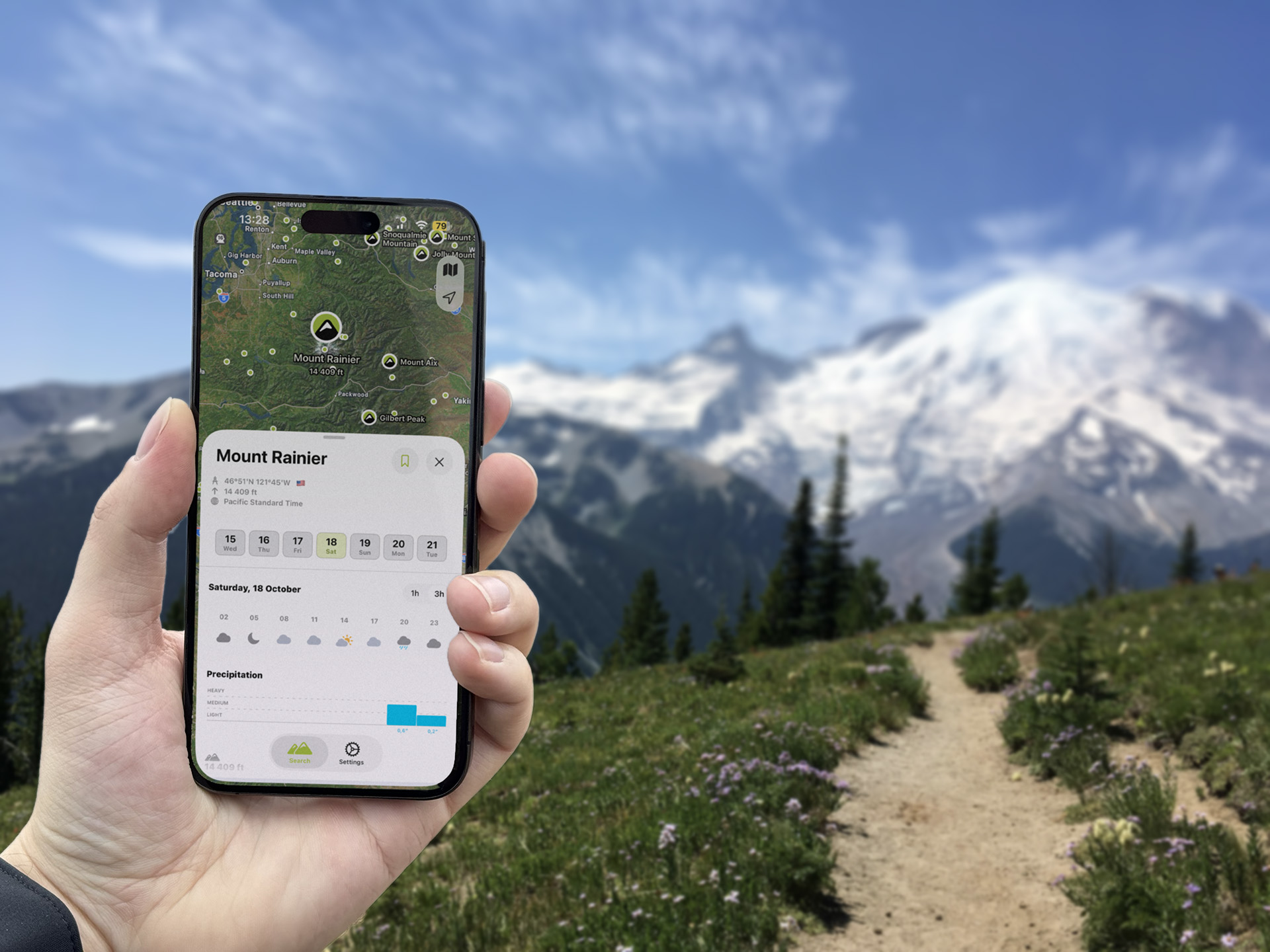
It’s always worth checking a dedicated mountain weather forecast, such as Peak Weather, before packing your rucksack and setting out on an autumn adventure. An autumn forecast can promise wall-to-wall sunshine and 20+ degree heat, yet it can also hint at sub-zero temps and snow flurries. Use the forecast to pack effectively – no one wants to carry loads of winter gear in red-hot sunshine.
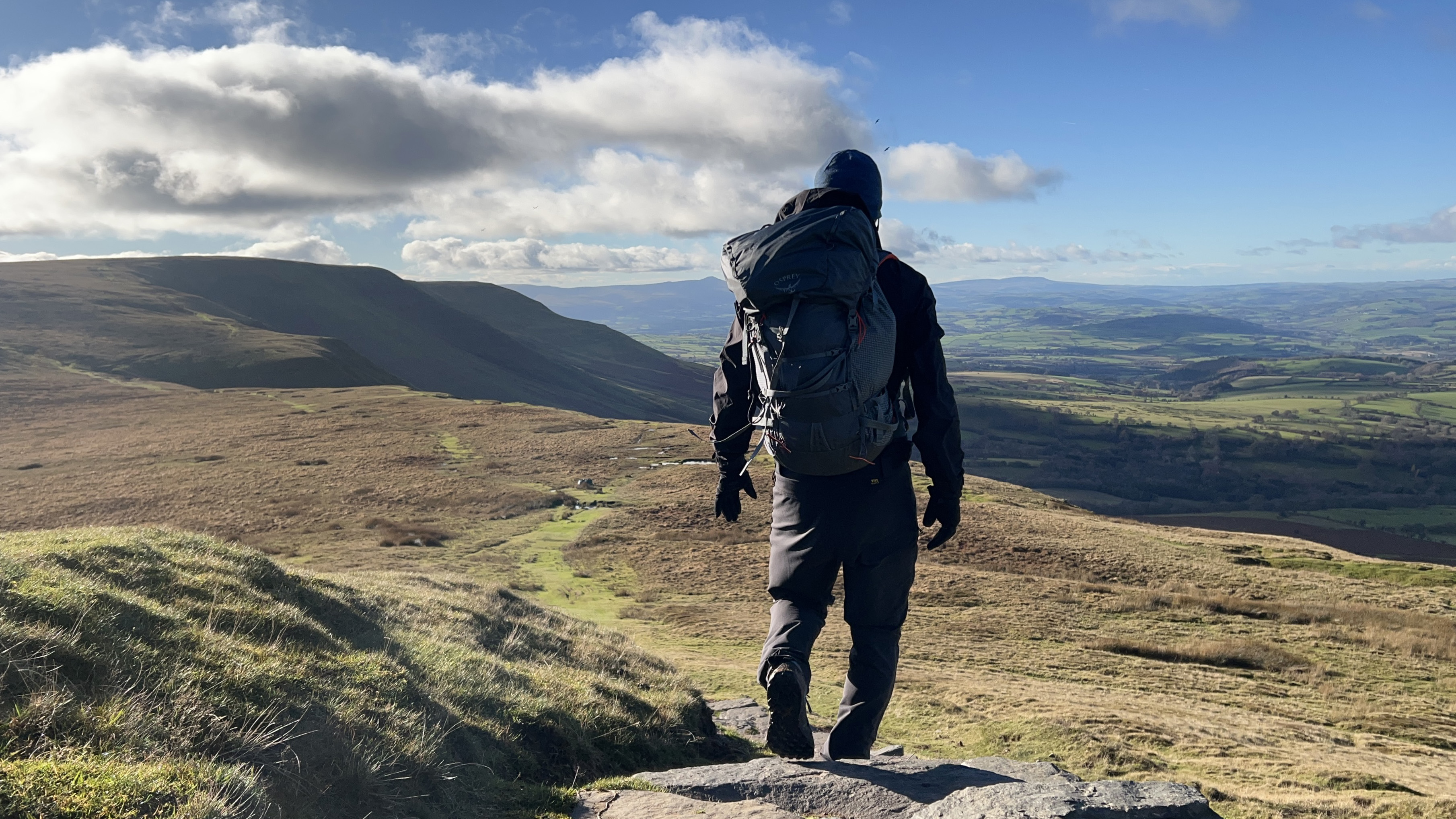
You’re likely to need more stuff for autumn hiking adventures, so you may need a bigger backpack than the one you use in summer. I find a capacity of between 20-30 litres is perfect for most day hikes. A pack with decent hydration features, such as front soft flask holders or a hydration bladder and tube, is beneficial for warm autumn days.
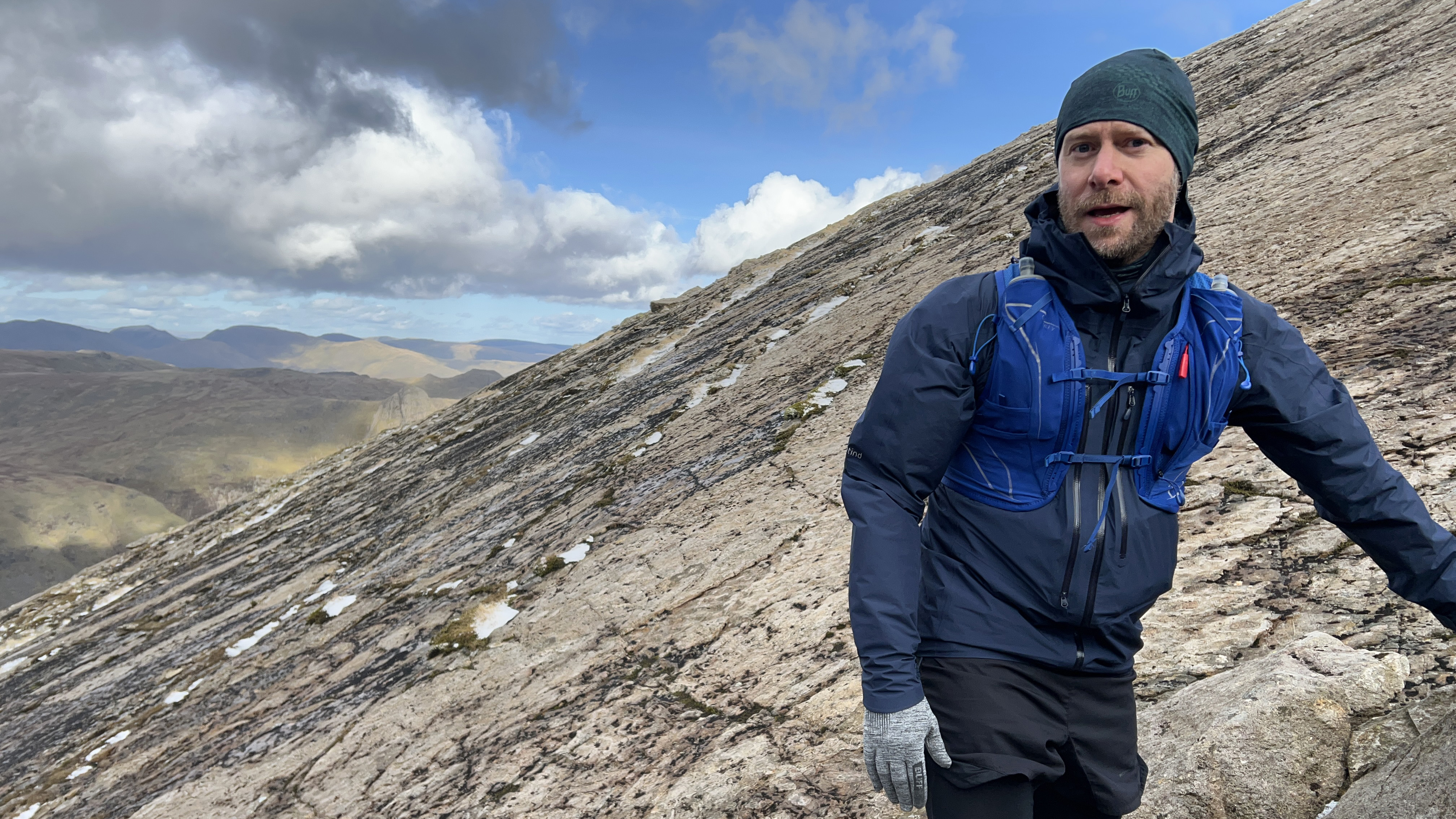
When it comes to hiking in autumn, there can be a bit of crossover when it comes to headwear. The sun’s UV rays can still be very strong in early autumn, so a sunhat is vital for protection. However, the higher you climb, the colder it’s going to get and you may be glad of a beanie hat once you hit the ridges and summits. The shoulder seasons tend to be the times I carry both. A lightweight buff (sometimes called a neck gaiter) can be useful for both protection from the sun and as an additional warming layer when up high.
With earlier sunsets on the cards, it’s also vital to take a head torch. In fact, I always take two just in case one runs out of battery. No, your smartphone’s torch is not up to the job – don’t rely on it. After all, you’ll need your smartphone’s battery for other things.
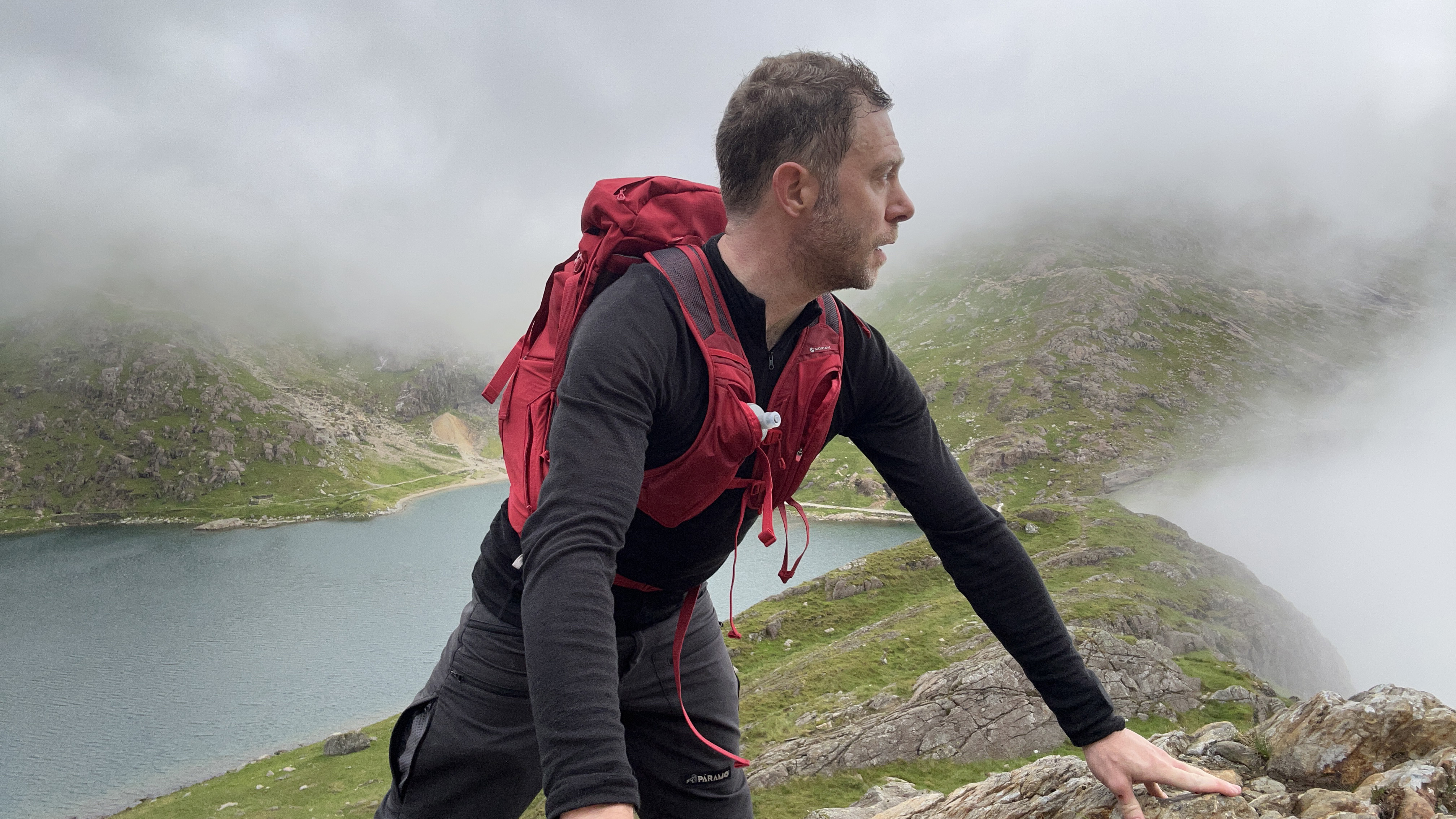
Keeping your body at a comfortable temperature on a mountain hike is no easy task. While the ambient temperature may be chilly, you’ll be working hard and getting hot, especially in ascent. This is why layering is so crucial.
Here’s the vital rule: many thin layers are better than fewer thick ones. This is because the ability to remove or add multiple layers as you go makes it easier to regulate your temperature.
Let’s start with the base layer. This must be both comfortable and moisture wicking, as it’s the layer of fabric that will become most intimately acquainted with your skin and its sweaty pores. Merino wool base layers are rightly celebrated for both their insulating and moisture wicking qualities, though they’re obviously not suitable for vegans. Synthetic base layers woven from materials like polyester or nylon are more durable than Merino and do a good job when it comes to wicking sweat away. Avoid cotton at all costs, as it soaks up moisture and holds onto it.
There are all kinds of mid-layers out there, though the best tend to be fleeces and puffer jackets. I opt for multiple thin fleece layers, depending on how cold the forecast is, and I always have an emergency puffer jacket in my pack too. Thinner fleeces are preferable to a thick fleece as they provide more flexibility when it comes to layering. For the puffer jacket, down offers the best warmth-to-weight ratio and overall performance but it’s not suitable for vegans and loses its insulating qualities when wet. Synthetic puffers are a good alternative, though when all is said and done the insulating materials are made from forever plastics. Whatever you choose, just take good care of it. The most sustainable outdoor kit is the kit you already own.
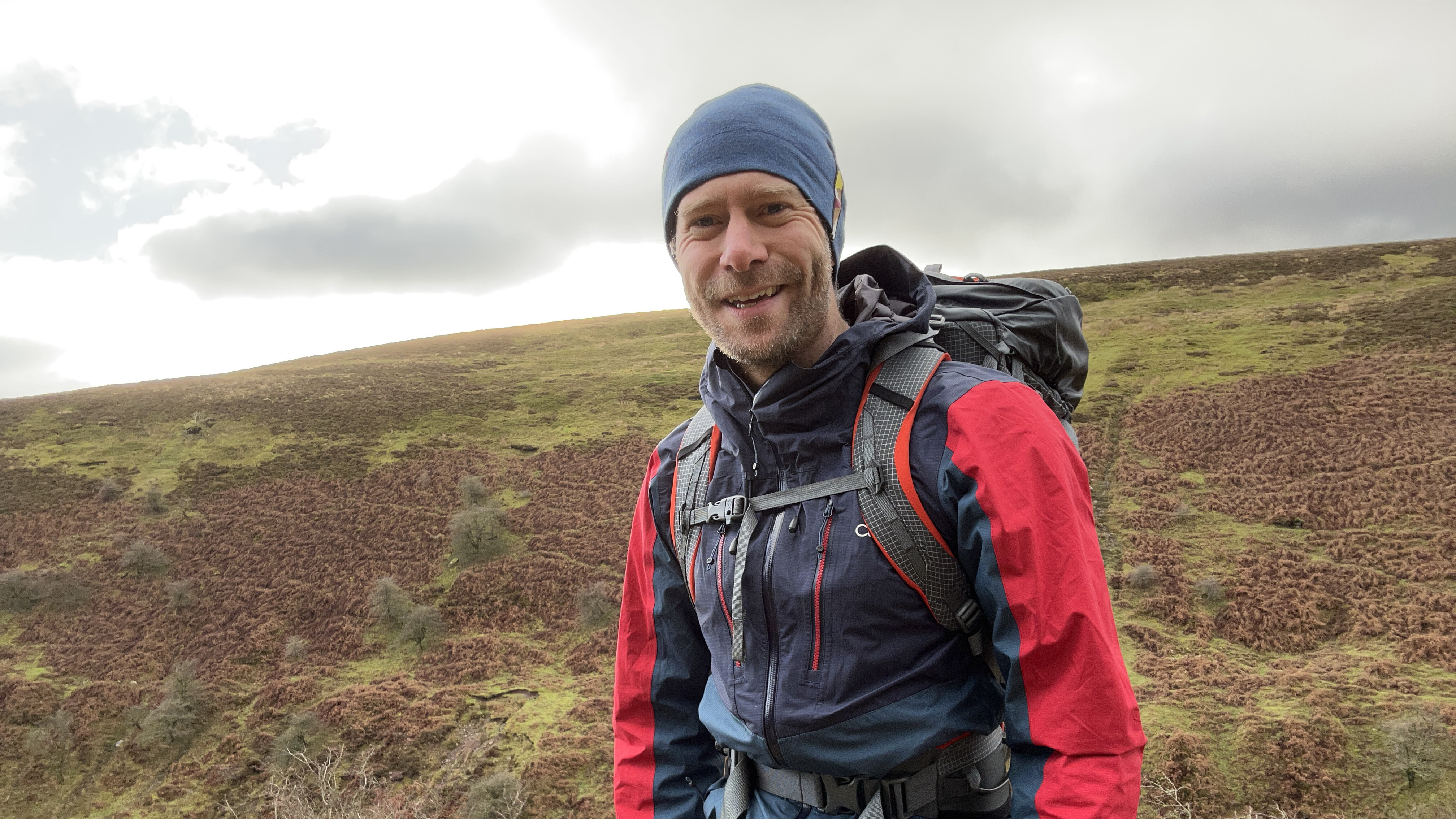
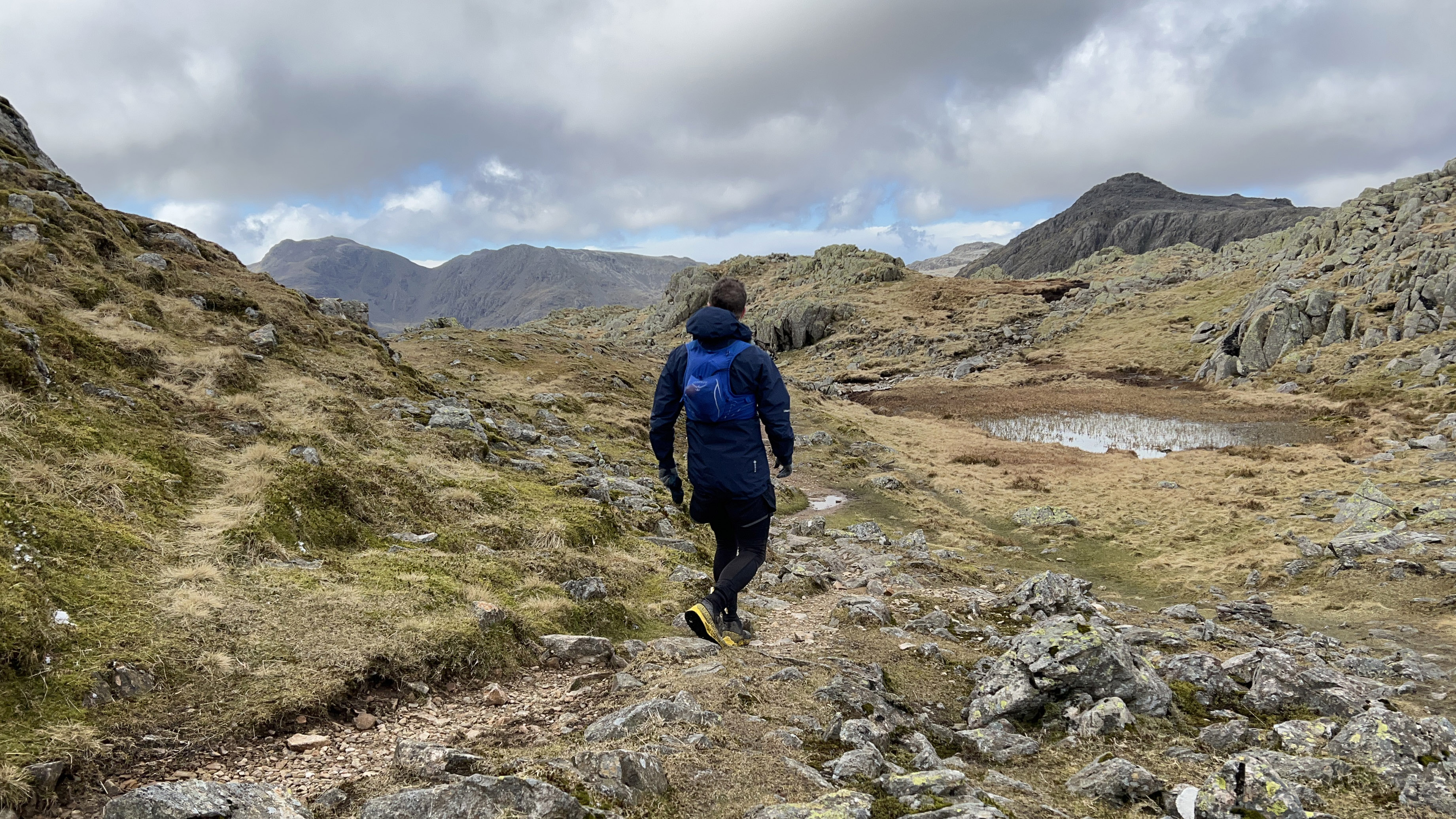
What you opt for in an outer layer will depend on where you live and the predominant climate. In places where autumn rainfall is common, having a waterproof hardshell in your pack is essential, even if rain isn’t necessarily in the forecast. These provide great protection against both rain and wind. During the colder months, they’re the most crucial item of clothing.
In drier climates, a soft shell jacket may suffice, providing greater freedom of movement than the more rigid hardshell but still providing some protection from the elements. However, soft shells tend to be water-resistant rather than waterproof, so if rain is on the cards, opt for the hardshell.
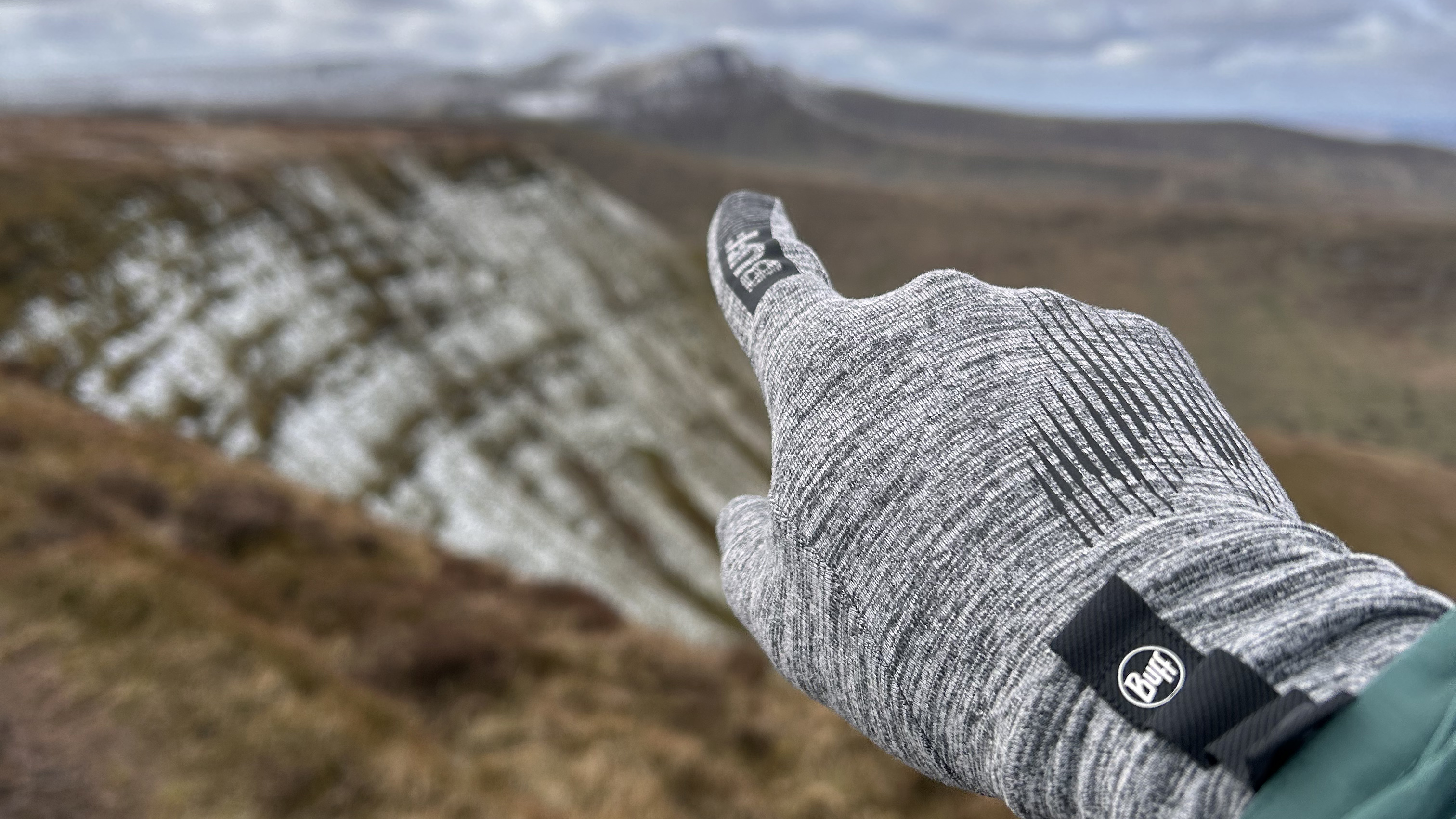
In autumn, it’s always worth having a thin pair of gloves, sometimes called liner gloves. If you’re the kind of person who uses their smartphone a lot during their hikes, whether it’s for photography, navigation or checking the latest weather updates, you’ll want smartphone compatible gloves. These are fairly commonplace these days. Liner gloves are light and take up very little room in your pack, so they’re always worth having along for the ride during the autumn season, even if you don't end up using them.
In the early autumn, you may still be able to get away with wearing hiking shorts, but for most of the season, it’s time to get out those hiking trousers. I mostly hike in the UK and I pretty much always carry a pair of waterproof over trousers too, unless the forecast is really confident that there’ll be no rain. Over trousers are designed to go over your standard hiking trousers and usually have full length zips along the sides to make them easy to take on and off. Avoid jeans at all costs, as they soak up moisture and can become very heavy.
If you’re hiking in the mountains in late autumn, encountering sub-zero temps may be a possibility. Don’t suffer cold legs! Insulated hiking trousers are the answer. However, these tend not to be very hard-wearing so it’s worth reinforcing them with the waterproof over trousers made famous by the previous paragraph. The durable outer fabric found in over trousers will shrug off rock abrasion much more readily than your insulated trousers.
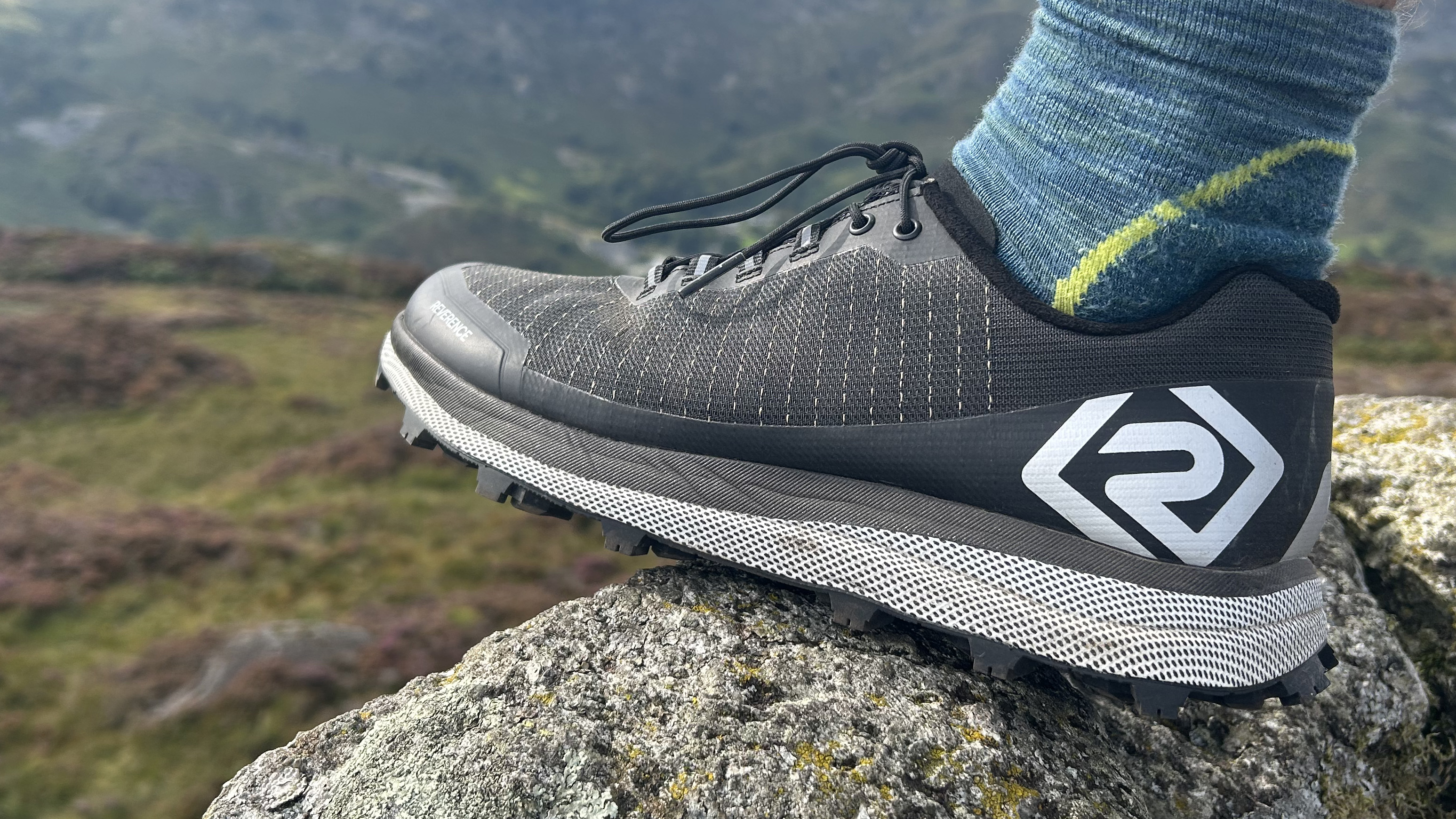
The ground underfoot is likely to be much wetter than in summer, which means two things: you’ll want your hiking footwear to be waterproof and you’ll need good grip. Gore-Tex is the gold standard in waterproofing, though many brands use other waterproof membranes or their own proprietary technology. Any decent hiking shoe will have grippy lugs and should deal with autumn’s wetter terrain without major issues.
All that said, if I’m fast-hiking (running the downhills and some of the flat bits) I’d probably wear trail running shoes rather than hiking footwear. Whether or not I’d choose to wear waterproof trail running shoes would depend on the length of my outing and my knowledge of how wet it can get underfoot. Generally, if I’m moving at speed, I don’t mind soggy feet too much – as long as I’m not out all day.
Alpine regions and other high ground will see snow during autumn, so it’s worth keeping an eye on the trail conditions before setting out. If there’s a chance of lying snow on easier trails, you may want to consider packing microspikes, just in case. For more technical terrain, the use of an ice axe and crampons may even be required.